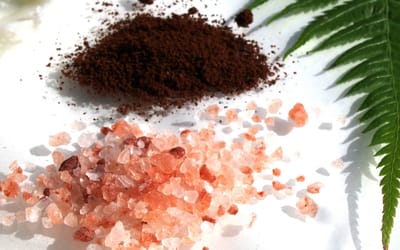
The tissue salt of cramps, spasms and neuromuscular tension
Magnesium phosphoricum, commonly known as Mag Phos or tissue salt #8, is one of the most useful biochemic salts to keep in mind when working with pain that arises from muscular tension or spasmodic activity. Traditionally, it's considered the tissue salt of the nerves and muscles and is used to support neuromuscular coordination and help relieve spasmodic or cramping pain.
Understanding the Mag Phos pattern
In clinical practice, Mag Phos tends to appear in situations where there are neuromuscular problems such as incoordination or tightening and spasms.
When you're assessing whether Mag Phos might be helpful, it can be useful to listen carefully to the quality of the pain described by the patient. Typical descriptions include cramping, spasmodic, shooting, twitching, gripping or tightening pain that comes and goes - think of irritable bowel syndrome, colic or menstrual pain.
These patterns may appear in many different parts of the body, but the underlying theme is usually the same: muscle fibres are contracting in an uncoordinated or excessive way.
How to recognise when a patient needs Mag Phos
When a person needs Mag Phos, they may have:
- cramping or spasmodic pain, or pain that comes and goes in waves
- sudden muscular contractions or twitches
- tension headaches linked to tight neck and shoulder muscles
- abdominal colic or intestinal spasms
- menstrual cramps with gripping pain
- muscular fatigue leading to cramping such as writer’s cramp or hand cramps
- tremors.
If you look closely, you may also notice:
- short rounded or clubbed fingernails
- habitual nail biting
- a quivering or trembling tongue
- constricted pupils.
But please remember, as with many traditional observations, these signs are not diagnostic on their own and only contribute to the overall clinical picture.
Situations where Mag Phos may be considered
Mag Phos can be helpful in a wide range of situations where cramps, spasms or muscular tension are present. These include:
Tension headaches
Particularly where patients describe tight neck and shoulder muscles, headaches that feel like a tight band around the head, or sharp pain over one eye. When stress or nervous exhaustion is also present, Mag Phos combines well with Kali Phos.
Menstrual cramps
Mag Phos is often used when menstrual pain is cramping or spasmodic in nature. Many practitioners find it helpful for dysmenorrhoea or ovulatory pain.
Infant colic
In babies experiencing spasmodic abdominal pain or colic, Mag Phos can be used alone or, if gas and bloating are also present, combined with Nat Phos.
Back pain with spasms
Where back pain is accompanied by muscular spasms or sharp, shooting pain, consider Mag Phos. In some cases it is combined with Calc Fluor, especially when there is muscular tension affecting the spine.
Neuromuscular twitching or spasms
This may include tremors, muscle twitches, hiccups, tics or cramping of the hands such as writer’s cramp.
Digestive spasms
Mag Phos is helpful when abdominal pain arises from spasmodic activity of the bowel, such as in colic or irritable bowel patterns. In these cases it is often paired with Nat Phos, particularly when bloating or gas is present.
Spasmodic coughs
Mag Phos may also be considered in cases involving bronchial spasms, for example asthma. But please note - it is only a supportive remedy and should not be used as a first line treatment.
Margaret Roberts, my favourite writer on herbs and tissue salts, says Mag Phos is one of the tissues salts she most often uses and she recommends it for a variety of conditions including: uncontrollable shaking of the hands, continual yawning, hiccups, heart palpitations, teething babies with colic and flatulence, and intestinal cramping or spastic colon.
Looking beyond the pain
When working with tissue salts it's helpful to remember that pain is a signal and not a symptom to suppress.
While Mag Phos may help relieve spasmodic pain, it's important to step back and ask why this neuromuscular tension is occurring.
Is your patient under prolonged stress?
Are they nutritionally depleted?
Is their nervous system overstimulated or exhausted?
Understanding these broader patterns allows Mag Phos to be used alongside other supportive measures such as nutritional support, lifestyle adjustments or deeper-acting remedies.
If you enjoy reflecting on how physiology, lifestyle and therapeutics weave together in practice, you may enjoy continuing the conversation in my practitioner learning groups where we explore these themes together through discussion and shared clinical experience. You can find out more here ->
Please note: The reflections shared in this Practitioner’s Notebook are intended to encourage curiosity and thoughtful exploration among practitioners and students of natural and integrative health. They are not intended to replace structured professional training, clinical supervision, or independent clinical judgement. Practitioners remain responsible for applying appropriate professional standards and referring patients for medical care where appropriate.
Photo by engin akyurt / Unsplash
Subscribe to our newsletter.
Become a subscriber receive the latest updates in your inbox.